Go further with GO Markets
Trade smarter with a trusted global broker. Low spreads, fast execution, powerful platforms, and award-winning customer support.
二十年稳健实力
成就值得信赖
二十年专注打造极致交易体验。
自2006年起,致力缔造卓越的交易环境。

Get Started with GO Markets
Whether you’re new to markets or trading full time, GO Markets has an
account tailored to your needs.


深受全球交易者信赖
自 2006 年起,GO Markets 在稳健监管、以客户为先的服务与屡获殊荣的教育支持下,已帮助数十万交易者以信心与精准追求其交易目标。
*Trustpilot reviews are provided for the GO Markets group of companies and not exclusively for GO Markets Ltd.


*Awards were awarded to GO Markets group of companies and not exclusively to GO Markets Ltd.


GO Markets
让交易更进一步
使用机构级工具、顺畅执行与屡获殊荣的客户服务,探索数千种可交易机会。开户注册快速便捷。

4 月的美股财报季正降临在一个“不再满足于听故事”的市场。摩根大通 (JPMorgan) 已经以强劲的业绩拉高了门槛,现在的焦点正转向标普 500 指数的“动力室”:处于 AI 基础设施叙事核心的三家巨头。
为什么这一财报窗口对 AI 至关重要
微软、Alphabet 和英伟达不仅是 AI 周期的参与者,它们更是在构建其他企业所依赖的物理与软件架构:包括芯片、云区域、模型及工具。如果这些巨额支出注定要产生回报,那么第一波迹象理应在未来几周的季度业绩中开始显现。
每家公司都代表着一次不同的考验:
- 微软 (Microsoft): 检验企业级 AI 的采用是否正在转化为实际的营收增长和利润率扩张。
- Alphabet: 检验从芯片、云端到分发渠道的“全栈模式”,究竟是持久的竞争优势,还是仅仅一个代价高昂的防御头寸。
- 英伟达 (NVIDIA): 检验硬件周期是否依然保持强势、正在加速,还是已经开始进入平稳期。
在 2026 年,问题已不再是“AI 投资是否在发生”——资本承诺已经数额巨大且已完全公开。核心问题在于,这些支出产生回报的速度,是否快到足以证明这些豪赌的规模是合理的。
重要提示:财报发布时间表可能在不提前通知的情况下发生变动。标记为“已确认”的财报发布日期和发布时间源自相关公司的投资者关系日历;其余则为 GO Markets 的内部预估。每股收益 (EPS) 共识、营收及分析师预测区间数据源自第三方市场共识来源,数据截至 2026 年 4 月 16 日(澳大利亚东部标准时间)。除非另有说明,公司指引、积压订单及运营指标均源自最新的公司公告文件或业绩演示文稿。所有数值和时间表均可能随时调整,恕不另行通知。
微软公司 (Microsoft Corp)
全球发布倒计时 (AMC - 盘后发布)
市场情报:$MSFT
深度分析:微软股价驱动因素与情景模拟
深度分析:微软股价驱动因素与情景模拟
微软正面临一个具体问题的考验:它能否将巨额 AI 支出转化为利润率的扩张?若业绩超过 4.14 美元,将有效缓解市场对“资本支出疲劳”的担忧,并证明 Azure 的增长是否随着企业级 AI 的采用而重新加速。
市场潜在驱动因素
情绪分析 · 微软公司
交互式情景模拟分析:$MSFT
交互式情景模拟分析:$MSFT
业绩强劲,获 AI 实际进展支撑
数据来源:标记为“已确认”的发布日期和时间源自公司投资者关系日历;其余为 GO Markets 预估。每股收益 (EPS) 共识、营收及分析师预测区间数据源自 Bloomberg 和 Earnings Whispers,截至 2026 年 4 月 16 日 (AEST)。公司指引、积压订单及运营指标源自最新的公司财报或业绩演示文稿。情景分析仅代表 GO Markets 的分析观点。数值和时间表可能随时调整,恕不另行通知。
不仅仅是芯片制造商
随着 2026 “业绩变现年”的深入,探索 AI 需求正如何影响特斯拉、NextEra 以及埃克森美孚的财报表现。
Alphabet:从搜索巨头到基础设施先锋
Alphabet 已从一家纯粹的搜索业务公司转型为庞大的 AI 基础设施参与者,而本次财报将检验这一转型是否已初见成效。2026 年高达 1850 亿美元的资本支出预测令人瞩目,这一规模几乎是去年的两倍。
由于基础设施投入占用了大量资金,预计每股收益 (EPS) 将同比略有下降。目前市场的核心疑问在于:谷歌云 (Google Cloud) 的增长速度是否足以展示出利润率修复的可靠路径,以及其第七代自研 AI 芯片 Ironwood 是否已在规模化应用中证明了其在“单次查询成本”上的领先优势。
Alphabet Inc.
全球发布倒计时 (AMC - 盘后发布)
市场情报:$GOOGL
深度分析:Alphabet 股价驱动因素与情景模拟
Alphabet 的定位已转向更广泛的 AI 基础设施。核心问题在于,在耗资 1850 亿美元的大规模基础设施建设占用资本的同时,云业务的增长能否支撑利润率回归修复路径。
市场关注的关键信号
情绪分析 · Alphabet Inc.
交互式情景模拟分析:$GOOGL
交互式情景模拟分析:$GOOGL
Ironwood 芯片效率驱动业绩增长
数据来源:标记为“已确认”的发布日期和时间源自公司投资者关系日历;其余为 GO Markets 预估。每股收益 (EPS) 共识、营收及分析师预测区间数据源自 Bloomberg 和 Earnings Whispers,截至 2026 年 4 月 16 日 (AEST)。公司指引、积压订单及运营指标源自最新的公司财报或业绩演示文稿。情景分析反映了 GO Markets 的分析观点。数值和时间表可能随时调整,恕不另行通知。
英伟达:硬件周期的深度解读
英伟达已不再仅仅是一家芯片公司。它已演变为分析师笔下的“算力中央银行”——这一实体所提供的产品,实质上决定了全球究竟能部署多少 AI 产能。
即将发布的 2027 财年第一季度财报将验证:提前进入量产阶段的全新 Vera Rubin R100 GPU 架构是否已开始贡献营收。此外,随着“推理”取代“训练”成为主导工作负载,英伟达能否将毛利率维持在 75% 以上也是关注焦点。由于推理业务比训练业务更具竞争性且对价格更敏感,因此此时的毛利率韧性将是衡量其商业地位的关键。
英伟达 (NVIDIA Corporation)
全球发布倒计时 (AMC - 盘后发布)
市场情报:$NVDA
深度分析:英伟达股价驱动因素与情景模拟
深度分析:英伟达股价驱动因素与情景模拟
英伟达的展望取决于 Rubin R100 能否在推理负载成为主要需求驱动力时,将毛利率维持在 75% 以上。由于推理业务比训练业务对价格更为敏感,毛利率将是核心考验。
可能扭转局面的关键信号
情绪分析 · 英伟达公司
交互式情景模拟分析:$NVDA
交互式情景模拟分析:$NVDA
Rubin 产能爬坡支撑强劲增长
数据来源:标记为“已确认”的发布日期和时间源自公司投资者关系日历;其余为 GO Markets 预估。每股收益 (EPS) 共识、营收及分析师预测区间数据源自 Bloomberg 和 Earnings Whispers,截至 2026 年 4 月 16 日 (AEST)。公司指引、积压订单及运营指标源自最新的公司财报或业绩演示文稿。情景分析反映了 GO Markets 的分析观点。数值和时间表可能随时调整,恕不另行通知。
主题风险因素
可能扭转局面的核心变数
可能扭转局面的核心变数
无论财报数值如何,以下三大风险都可能改写市场叙事。在结果公布前,这些因素值得深度审视:
如果微软和 Alphabet 的财报仅符合或低于预期,却同时重申巨额支出计划,市场可能会开始对“AI 变现慢于预期”进行定价。这并非个股担忧,而是一个波及全行业的估值下调 (De-rating) 事件,将直接冲击科技板块的整体溢价。
FTC 对微软的调查、司法部对 Alphabet 的诉讼,以及欧盟对英伟达 CUDA 软件生态的新一轮审查均在进行中。在财报会议前,任何实质性的法律进展都可能完全掩盖财务业绩。该领域的监管风险并非纸上谈兵,而是实时演进的变量。
微软的 Maia 200、Alphabet 的 Ironwood TPU、亚马逊的 Trainium 以及 Meta 的自研加速器都在降低云巨头对英伟达硬件的依赖。如果其中任何一家公司暗示将大幅调整其 GPU 采购计划,都将为英伟达的远期订单簿带来不确定性。
核心要点 (The Bottom Line)
2026 年的现实检验
2026 年的现实检验
微软和 Alphabet 将于 4 月 29 日晚间同日发布财报,英伟达随后于 5 月下旬登场。这三者将共同提供迄今为止最清晰的信号:即 AI 基础设施的建设回报,是否足以支撑当前投入的庞大资本规模。
$MSFT
AI 支出正从“成本中心”转向“竞争优势”。关键在于利润率能否同步跟进。
$GOOGL
从芯片到搜索再到云端的垂直整合,究竟是坚不可摧的护城河,还是代价高昂的防御阵地?
$NVDA
这是 AI 硬件周期的脉搏,也是对 Rubin 架构能否将“超级周期”延续至 2027 年的实战检验。
综上所述,这三者勾勒出的市场图景变得更具物理性、更高资本密度,且对许多交易员而言——也变得更加真实。
开启您的下一场财报季交易布局
提前掌握重大业绩超预期、不及预期及市场意外动向。立即登录您的交易终端、开设新账户,或探索我们专属的财报学习中心。
需要帮助?联系我们的官方支持团队
.jpeg)
April’s U4 月的美股财报季正拉开序幕,而当下的市场追求的不仅仅是一个动听的故事。
正如 GO Markets 在最近的《国防股财报观察名单》中所强调的,本轮财报季标志着市场核心关注点发生了更广泛的转变。现在,投资者不再仅仅追求“不计代价的增长”,交易员们更渴望洞察潜藏在数据背后的真实信息。
为什么这三家公司至关重要?
在当前的市场环境下,特斯拉 (Tesla)、NextEra Energy 和埃克森美孚 (Exxon Mobil) 成为了焦点。它们分别代表了 2026 年的三大核心叙事:自动驾驶、电力需求以及原油供应风险。
- 特斯拉 (Tesla): 市场正在评估其自动驾驶和能源业务是否足以支撑下一阶段的增长。
- NextEra Energy: 为观察电力需求激增以及满足该需求所需的基础设施建设提供了一个窗口。
- 埃克森美孚 (Exxon Mobil): 在供应风险持续存在的背景下,处于原油与能源安全叙事的中心。
综合来看,这三家公司有助于解释市场关注点的转移趋势:现在的关键不再是谁的叙事最动人,而是谁能展现出真实的需求、更稳健的利润率,以及在日益复杂的宏观背景下依然坚韧的执行力。
在 2026 年,AI 驱动的电力需求正将公用事业、储能和电网容量推向聚光灯下;与此同时,原油供应风险也让**“能源安全”**重新回到了市场的核心对话之中。
重要提示:财报发布时间表可能会在不提前通知的情况下发生变动。标记为“已确认”的财报日期和发布时间源自相关公司的投资者关系日历;其余则为 GO Markets 的内部预估。每股收益 (EPS) 共识、营收共识以及分析师预测区间数据均源自第三方市场共识来源,数据截至 2026 年 4 月 14 日(澳大利亚东部标准时间)。除非另有说明,否则公司指引、积压订单及运营指标均源自公司最新的公告文件或业绩演示文稿。所有数值和时间表均可能随时调整,恕不另行通知。
特斯拉 (Tesla Inc.)
全球发布倒计时 (AMC - 盘后发布)
市场情报:$TSLA
深度分析:特斯拉股价驱动因素与情景模拟
深度分析:特斯拉股价驱动因素与情景模拟
分析师预测之间 0.16 美元的差距表明市场仍存在很大不确定性。核心问题在于,疲软的车辆交付量如何与利润率更高、表现更强劲的储能业务贡献相抵消。若业绩超过 0.48 美元,则意味着自动驾驶和电池业务的规模化速度超过了空头的预期。
影响业绩的关键波动因素
交易执行:$TSLA
财报反应框架:2026 年第一季度
财报反应框架:2026 年第一季度
情绪分析 · 特斯拉公司
交互式情景模拟分析:$TSLA
交互式情景模拟分析:$TSLA
强劲的业绩,受能源和 FSD 推动
来源与数据方法论 资料来源:财报发布日期和发布时间源自相关公司的投资者关系日历(标记为“已确认”);其余为 GO Markets 的预估。每股收益 (EPS) 共识、营收及分析师预测区间数据源自 Bloomberg 和 Earnings Whispers,截至 2026 年 4 月 14 日(AEDT)。除非另有说明,否则公司指引、积压订单及运营指标源自最新的公司公告、业绩演示文稿或投资者关系材料。所有情境分析均反映 GO Markets 的分析。数值和时间表可能随时调整,恕不另行通知。
AI 并非本轮财报季的唯一交易逻辑
从数据中心到国防工业,洞察摩根大通与国防巨头为何成为我们本月关注的焦点。
从自动驾驶到电力需求
如果说特斯拉是市场对“物理 AI”能否商业化的压力测试,那么 NextEra 则检验了 AI 背后的电力基础设施建设是否已更清晰地反映在公用事业的盈利逻辑中。
这正是从特斯拉转向 NextEra 的有趣之处:前者关乎宏大愿景与平台叙事,后者则关乎电力、合同、基础设施以及资本回报。
NextEra Energy, Inc.
全球发布倒计时 (BMO - 盘前发布)
市场情报:$NEE
深度分析:NEE 价格驱动因素与情景模拟
核心问题很简单:NextEra 能否将庞大的增长计划转化为实际进展?交易员希望看到不断增长的电力需求(尤其是来自 AI 领域的需求)是否已开始反映在业绩、合同签署以及项目执行中。
交易执行:$NEE
核心关注信号
核心关注信号
情绪分析 · NextEra Energy
交互式情景模拟分析:$NEE
交互式情景模拟分析:$NEE
业绩强劲,获实际进展支撑
资料来源:财报发布日期和发布时间源自相关公司的投资者关系日历(标记为“已确认”);其余为 GO Markets 的预估。每股收益 (EPS) 共识、营收及分析师预测区间数据源自 Bloomberg 和 Earnings Whispers,截至 2026 年 4 月 14 日(AEDT)。除非另有说明,否则公司指引、积压订单及运营指标源自最新的公司文件或业绩演示文稿。所有情境分析均反映 GO Markets 的分析。数值和时间表可能随时调整,恕不另行通知。
从电力到原油
如果说 NextEra 反映了实体经济叙事中“电力”的一面,那么埃克森美孚 (Exxon Mobil) 则反映了“燃料”的一面。在供应风险仍能重置通胀预期、引发行业领导地位轮动并改变交易员对“防御性”认知方案的市场环境中,这一点至关重要。
埃克森美孚 (Exxon Mobil Corporation)
全球发布倒计时 (BMO - 盘前发布)
市场情报:$XOM
深度分析:XOM 价格驱动因素与情景模拟
埃克森美孚面临的核心问题非常直接:走强的油气定价能否抵消产量下降和下游业务的压力?对于交易员而言,这是对盈利质量的一次考验——如果业绩增长全靠价格驱动,市场仍会寻求运营效率保持稳健的证据。
交易执行:$XOM
核心关注信号
核心关注信号
情绪分析 · 埃克森美孚
交互式情景模拟分析:$XOM
交互式情景模拟分析:$XOM
业绩表现强劲,定价支持足以抵消逆风
资料来源:财报发布日期源自相关公司的投资者关系日历;其余为 GO Markets 的预估。每股收益 (EPS) 共识、营收及分析师预测区间数据源自 Bloomberg 和 Earnings Whispers,截至 2026 年 4 月 14 日 (AEDT)。所有情境分析均反映 GO Markets 的分析。数值和时间表可能随时调整,恕不另行通知。
2026 年的“现实检验”
4 月下旬的这一系列能源财报远不止是三份简单的公司报告。它是对 2026 年市场定价逻辑的一次实时检验。
自动驾驶与能源业务正从“愿景描述”转向“实绩证明”。
电力需求正转化为实实在在的公用事业增长。
石油价格的强势正转化为持久的盈利能力。
综合来看,这些公司为观察市场中那些更具实物感、资本密集度更高,且对许多交易员而言更为真实的板块,提供了极具价值的视角。
开启您的下一场财报季交易布局
提前掌握重大业绩超预期、不及预期及市场意外动向。立即登录您的交易终端、开设新账户,或探索我们专属的财报学习中心。
需要帮助?联系我们的官方支持团队

The 8 April ceasefire announcement and parallel discussions around a 45-day truce have not resolved the Strait of Hormuz disruption. They have, for now, capped the worst-case scenario, but tanker traffic remains at a fraction of normal levels and Iran's demand for transit fees signals a structural shift, not a temporary one.
What began as a regional conflict has become a global energy shock, and the question for markets is no longer whether Hormuz was disrupted, but how permanently the disruption changes the pricing floor for oil.
Key takeaways
- Around 20 million barrels per day (bpd) of oil and petroleum products normally pass through the Strait of Hormuz between Iran and Oman, equal to about one-fifth of global oil consumption and roughly 30% of global seaborne oil trade.
- This is a flow shock, not an inventory problem. Oil markets depend on continuous throughput, not static storage.
- If the disruption persists beyond a few weeks, Brent could shift from a short-term spike to a broader price shock, with stagflation risk.
- Tanker traffic through the strait fell from around 135 ships per day to fewer than 15 at the peak of disruption, a reduction of approximately 85%, with more than 150 vessels anchored, diverted, or delayed.
- A two-week ceasefire was announced on 8 April, with 45-day truce negotiations under way. Iran has separately signalled a demand for transit fees on vessels using the strait, which, if formalised, would represent a permanent geopolitical floor on energy costs.
- Markets have begun rotating away from growth and technology exposure toward energy and defence names, reflecting a view that elevated oil is becoming a structural cost rather than a temporary risk premium.
Institutional Grade Performance
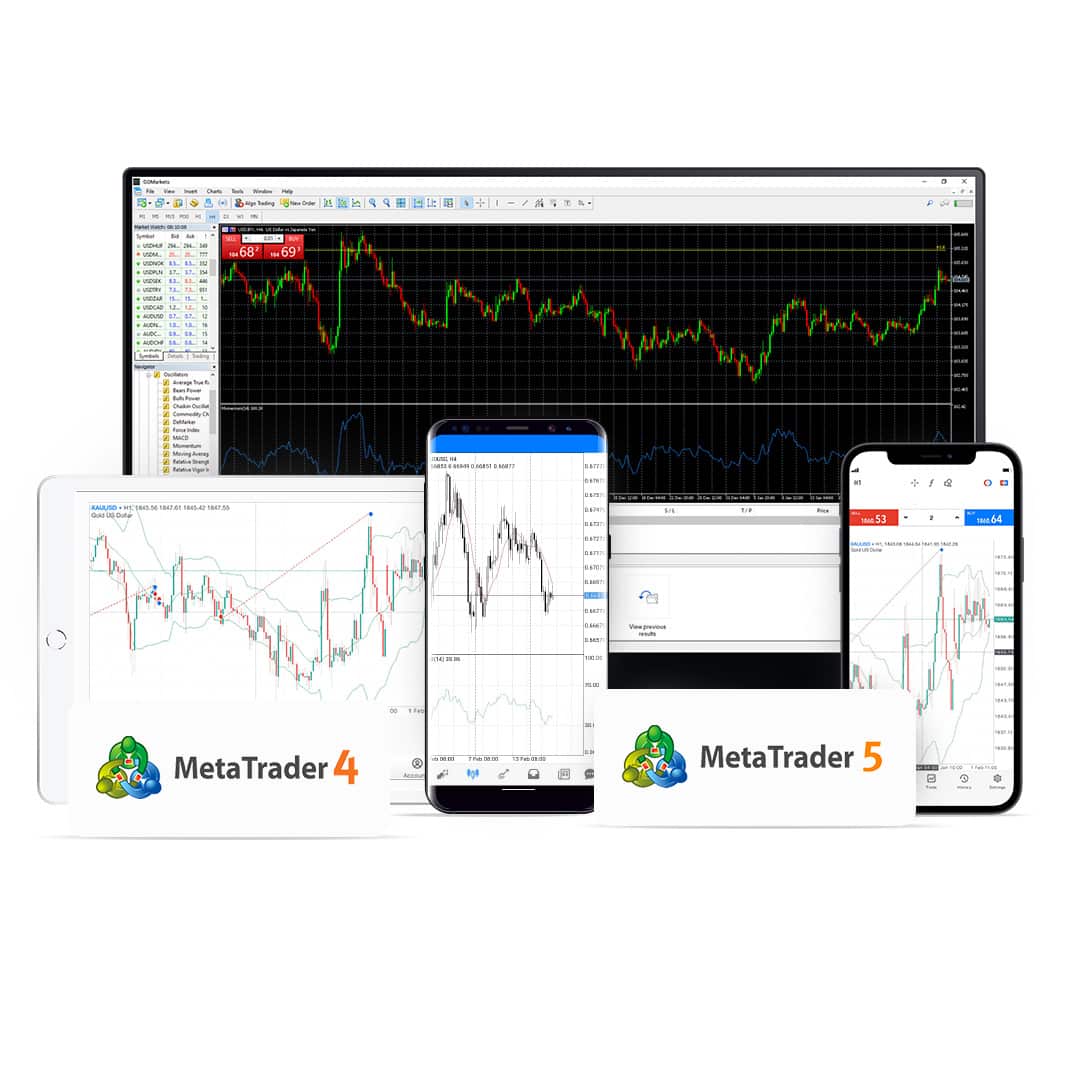
Master the Markets with MetaTrader 5
Trade hundreds of instruments with superior speed and advanced technical analysis. Harness full EA functionality to execute your strategy.
Need to access your terminal? Log in to Client Portal
The world’s most critical oil chokepoint
The Strait of Hormuz handles roughly 20 million barrels per day of oil and petroleum products, equal to about 20% of global oil consumption and around 30% of global seaborne oil trade. With global oil demand near 104 million bpd and spare capacity limited, the market was already tightly balanced before the latest escalation.
The strait is also a critical corridor for liquefied natural gas. Around 290 million cubic metres of LNG transited the route each day on average in 2024, representing roughly 20% of global LNG trade, with Asian markets the main destination.
The International Energy Agency (IEA) has described Hormuz as the world’s most important oil transit chokepoint, noting that even partial interruptions may trigger outsized price moves. Brent crude has moved above US$100 a barrel, reflecting both physical tightness and a rising geopolitical risk premium.

Tankers idle as flows slow
Shipping and insurance data now point to strain in real time. More than 85 large crude carriers are reported to be stranded in the Persian Gulf, while more than 150 vessels have been anchored, diverted or delayed as operators reassess safety and insurance cover. That would leave an estimated 120 million to 150 million barrels of crude sitting idle at sea.
Those volumes represent only six to seven days of normal Hormuz throughput, or a little more than one day of global oil consumption.
Updated shipping and insurance data now confirm more than 150 vessels have been anchored, diverted, or delayed, up from the 85 initially reported. The 1.3 days of global consumption coverage from idle crude remains the binding constraint: this is a flow shock, not a storage problem, and the ceasefire has not yet translated into meaningfully restored throughput.
🌋 Trump, volatility and Hormuz.
As tariff shocks collide with a ten year extreme in oil positioning, the margin for error is zero. See the technical markers and safe haven pivots defining the current risk environment.
A market built on flow, not storage
Oil markets function on continuous movement. Refineries, petrochemical plants and global supply chains are calibrated to steady deliveries along predictable sea lanes. When flows through a chokepoint that carries roughly one-fifth of global oil consumption and around 30% of global seaborne oil trade are interrupted, the system can move from equilibrium to deficit within days.
Spare production capacity, largely concentrated within OPEC, is estimated at only 3 million to 5 million bpd. That falls well short of the volumes at risk if Hormuz flows are severely disrupted.
Oil market analysis
How long do idle tankers last?
135M idle barrels — days of cover against each demand benchmark
vs. Strait of Hormuz daily flow (20M bbl/day)
vs. Global oil consumption (104M bbl/day)
vs. US Strategic Petroleum Reserve release (1M bbl/day)
135M
idle barrels on tankers (midpoint of 120–150M range)
~33%
of daily Hormuz flow that is idle storage, not transit
<31 hrs
is all idle storage against global daily consumption
Sources: IEA, EIA, industry estimates. Idle crude midpoint of 120–150M bbl range used.
GO MarketsIndicative market trajectories based on disruption severity
Scenarios for the weeks ahead
Ceasefire catch-up
Markets face catch-up repricing. Brent could consolidate in the US$105–US$115 range as risk premia unwind. Brent may trade lower (US$95–US$110) if strategic stocks bridge the temporary shortfall.
Infrastructure blitz
Shifts to structural supply shock. Brent moving toward US$150–US$200 cannot be ruled out. This is the stagflation trigger where energy costs constrain central bank flexibility.
Geopolitical floor
Iran's transit fee demand creates a permanent input cost. The pre-crisis price structure (US$60–US$70) may not return, embedded in insurance and freight rates.
Inflation risks and macro spillovers
The inflationary impact of an oil shock typically arrives in waves. Higher fuel and energy prices may lift headline inflation quickly as petrol, diesel and power costs move higher.
Over time, higher energy costs may pass through freight, food, manufacturing and services. If the disruption persists, the combination of elevated inflation and slower growth could raise the risk of a stagflationary environment and leave central banks facing a difficult trade-off.
🛢️ Brent hits $100.
Exxon and SLB are leading the rotation out of tech. Get the price targets and technical support levels for the top 5 energy majors.
No easy offset, a system with little slack
What makes the current episode particularly acute is the lack of slack in the global system.
Global supply and demand near 103 million to 104 million bpd leave little spare cushion when a chokepoint handling nearly 20 million bpd, or about one-fifth of global oil consumption, is compromised. Estimated spare capacity of 3 million to 5 million bpd, mostly within OPEC, would cover only a fraction of the volumes at risk.
Alternative routes, including pipelines that bypass Hormuz and rerouted shipping, can only partly offset lost flows, and usually at higher cost and with longer lead times.
Bottom line
Until transit through the Strait of Hormuz is restored and seen as credibly secure, global oil flows are likely to remain impaired and risk premia elevated. For investors, policymakers and corporate decision-makers, the core question is whether oil can move where it needs to go, every day, without interruption.
Don't just watch the squeeze. Trade the framework.
As positioning gaps hit decade extremes, access advanced charting tools and real time execution on the six key markets defining this cycle.
Trading CFDs and FX involves significant risk to your invested capital. Please ensure you fully understand the risks involved before trading.